
It’s always fun to be a part of a community centered around a work of fiction that you love. It’s hard to beat celebrating a movie, TV series, comic book, or other media with others who are just as passionate about it. However, there is a plague that is growing within what should be fun fandom discussions, and that’s the term “Mary Sue.”
The term, which originated from satirical Star Trek fanfiction, was originally used to describe a fictional character who is seen as too perfect and almost boring due to their lack of flaws. In more recent years, it has come to essentially mean “fictional woman I don’t like” by most who use the phrase.
It’s a lazy argument for why a work of fiction may be unenjoyable and a poor disguise for sexism. Instead of diving into actual details as to why a character may or may not work for a story, “Mary Sue” is used as a throwaway, blanket insult for a character someone doesn’t like, and it’s almost always used to refer to characters who are women.
Not only is it lazy and not actually an informative description, but it’s also a way to be derogatory toward women characters in general. Fictional men who match the same descriptors as a supposed woman “Mary Sue” are revered and celebrated for the same things that make these women such “terribly-written characters.”
In the Star Wars universe, Rey is brought up being forced to survive by scrounging for scraps in a desert for her whole life, and when these survival techniques are proven useful, she’s labeled a “Mary Sue.” Luke, who was just a sheltered farm boy before his adventures, takes down a planet-killing weapon before ever receiving his training from Yoda and is celebrated as one of the greatest heroes in movie history. They’re both under-trained and overpowered, but only one of them really receives the hateful remarks.
Harry Potter spends seven books being told he’s the ultimate hero and the true chosen one despite not even being as talented of a wizard as his friend and manages to save the world without even finishing his wizard training, but Katniss Everdeen is the character who is often considered a “Mary Sue” even though she’s lived her whole life in a dystopian future and had to become strong to protect her little sister.
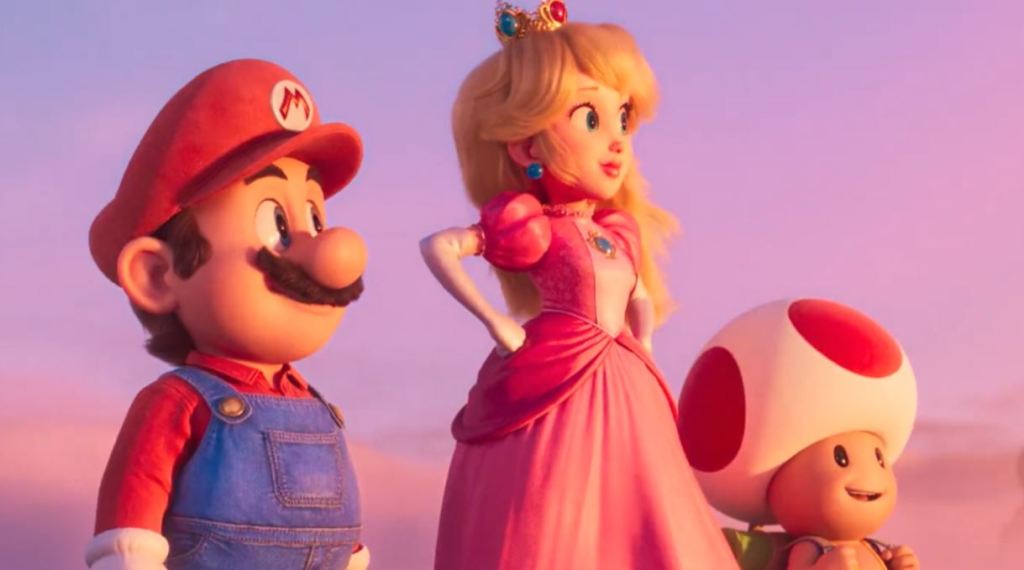
Even outside of the popular franchises of which these “Mary Sue” comments are made, there are characters with very little to no flaws that never get called “Mary Sues.” Super Mario is just a plumber and yet he’s able to save the Mushroom Kingdom time and time again with ease. Spyro the Dragon is younger than most other dragons, and yet he’s somehow much stronger than any adult dragon and has to be the one to save them. It’s pretty difficult to find anyone calling them “Mary Sues.”
The obvious factor here is the characters’ gender. Folks who make these comments look for this flawed perfectness in characters who are women but never in men. The term “Gary Stu” has been made to refer to “male Mary Sues,” but it’s extremely rare to see it actually be used unironically. It’s pretty obvious as to why these keyboard warriors sling these insults, and it has nothing to do with how these characters are actually written. It’s a way to let out their misogyny, whether it be subconscious or not.
Read Next: The Idea of Media Being Just “Okay” is Becoming Lost
 Nonstop Nerd