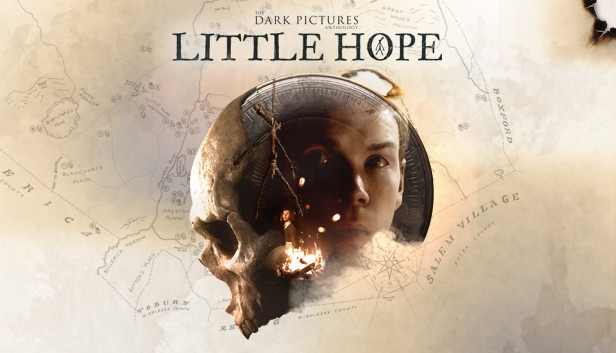
This article contains spoilers for The Dark Pictures: Little Hope.
The Dark Pictures Anthology is a series of interactive drama and survival horror video games created by Supermassive Games and published by Bandai Namco Entertainment. The second game in the anthology is Little Hope, which follows a group of classmates and their college professor after their bus crashes on a field trip. They wind up stuck in the spooky abandoned town of Little Hope, which was the previous site of witch trials similar to Salem, Massachusetts. Together, they must figure out what mysteries are going on in the town and get out alive. The player makes choices throughout the game that affect the story.
The game, while fun and scary, has received plenty of negative reviews and has had less than favorable discussion about it. This is mostly due to its ending. During the game’s ending, it’s revealed that all five playable characters are actually figments of Anthony the bus driver’s imagination after hitting his head in the crash. Players controlled a younger Anthony during the opening scene of the game, in which he fails to save his family from their burning house. The rest of the playable characters are identical to Anthony’s family, which is why he’s imagining them.

People who dislike the game due to its ending often say that the twist means that none of the decisions made by the player actually matter, and whether characters live or die ultimately doesn’t matter since they’re all in Anthony’s head. This is quite understandable since most of the game has the player battle demons and run from potential witches in order to keep the characters alive. That being said, after seeing how the game ends and looking back at the story in its entirety, this ending is better than folks say. It just has to be looked at in the right way.
At first, the story feels like one that’s similar to that of a slasher film, with characters potentially being killed off one by one and fighting for survival. The ending reveals this isn’t the case at all. It’s actually all about whether Anthony comes to terms with not being able to rescue his family during the house fire in the 70s. If a playable character dies, it means that he hasn’t come to terms with that respective family member dying and still blames himself for that loss. If a character makes it to the end, then he does get over it, no longer blames himself, and can finally move on. It’s actually a rather interesting and unique way to tell this type of horror story.
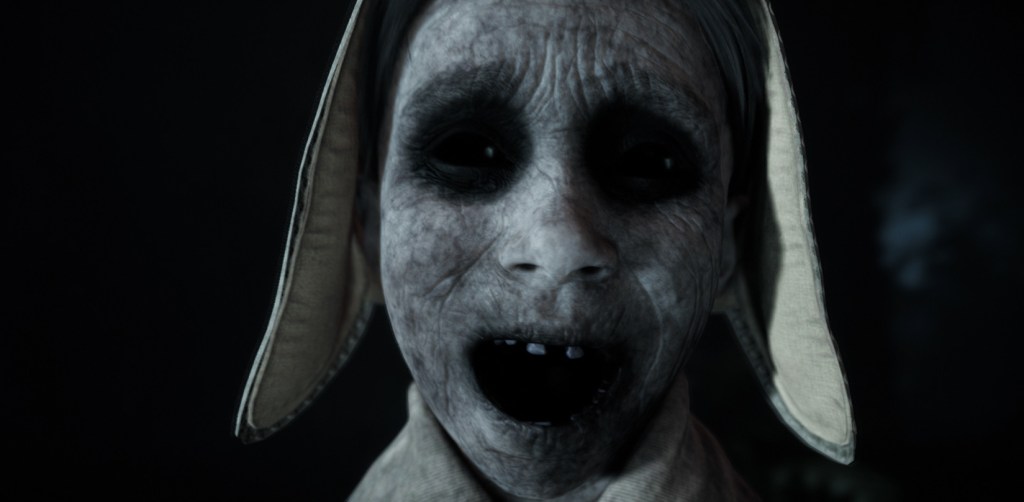
It may not be what some people are looking for, but it doesn’t mean that the decisions made during the game don’t matter. They just matter for very different reasons. Knowing that the characters are being imagined by Anthony, future playthroughs are focused on helping him move on from the past rather than helping characters survive, which makes the game stand out from the rest of the entries in the anthology series.
Read Next: P.T.: The Best Horror Game That Never Was
 Nonstop Nerd
[…] Read Next: ‘The Dark Pictures: Little Hope’’s Ending is Better Than People Say […]
LikeLike
[…] one and House of Ashes could honestly both share the top spot, but the twist ending has become somewhat divisive. It turns out that it’s all in the head of one of the characters and that it’s more about […]
LikeLike