With the lukewarm releases of recent live service games like Suicide Squad: Kill the Justice League, and some live service games like Marvel’s Avengers and Knockout City being shut down entirely, gamers have taken to expressing distaste for any game that falls under the live service umbrella. “Live service” has become a buzzword that leads to instant dislike regardless of the actual quality of the game. Are live service games inherently a bad thing, though?
A live service game is one that is designed with the sole purpose of keeping players interested by adding more and more new content over time. Sometimes this content is free or earned simply by playing, while a lot of the time it’s only gained through microtransactions.
The negativity shown toward such games stems from a few reasons. One is that if you’re someone who wants to keep buying cosmetics and battle passes, you’ll eventually be paying more than you would when buying another full video game. Another is that live service games can be shut down and rendered unplayable forever, even if people pumped tons of their money into it and ultimately wasted it. The other major reason is that because there’s an endless stream of content, the developers are busy creating and adding new game modes, cosmetics, and other features instead of fixing existing glitches and balance issues.
While these are absolutely valid reasons to shy away from live service games, they still offer plenty of positives. For starters, the games can genuinely be fun and well-made. They can offer hours of entertainment just like any other video game can. Plus, earning rewards over time just by playing can be quite satisfying. Showing off a cool skin you unlocked by completing challenges and playing well is a great feeling. New game modes being added over time means that there’s always something to look forward to and can prevent the game from feeling stale. It’s also worth noting that there are a lot of live service games that are free to play, so you can play and enjoy them without ever spending a single penny, which is quite nice.
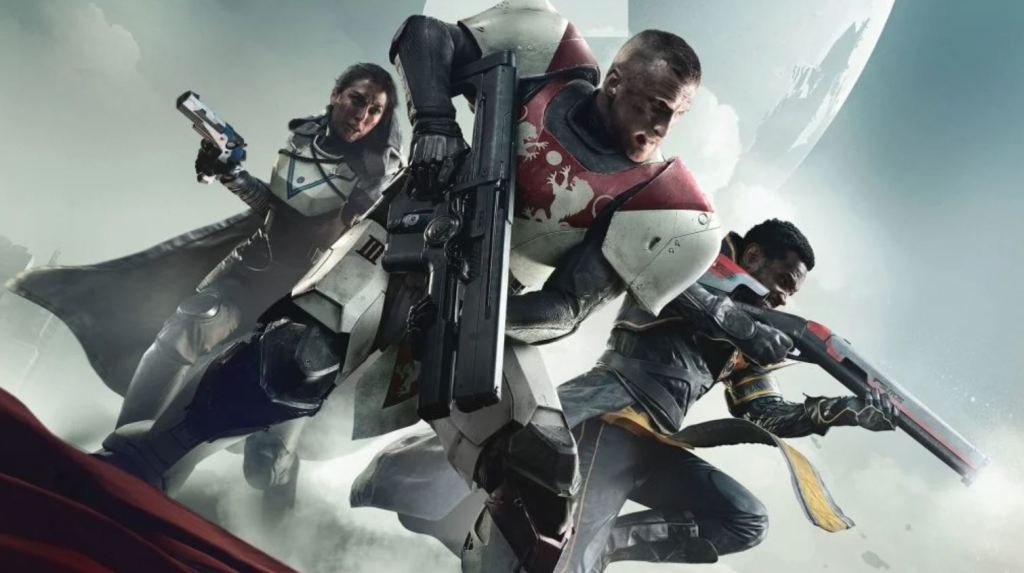
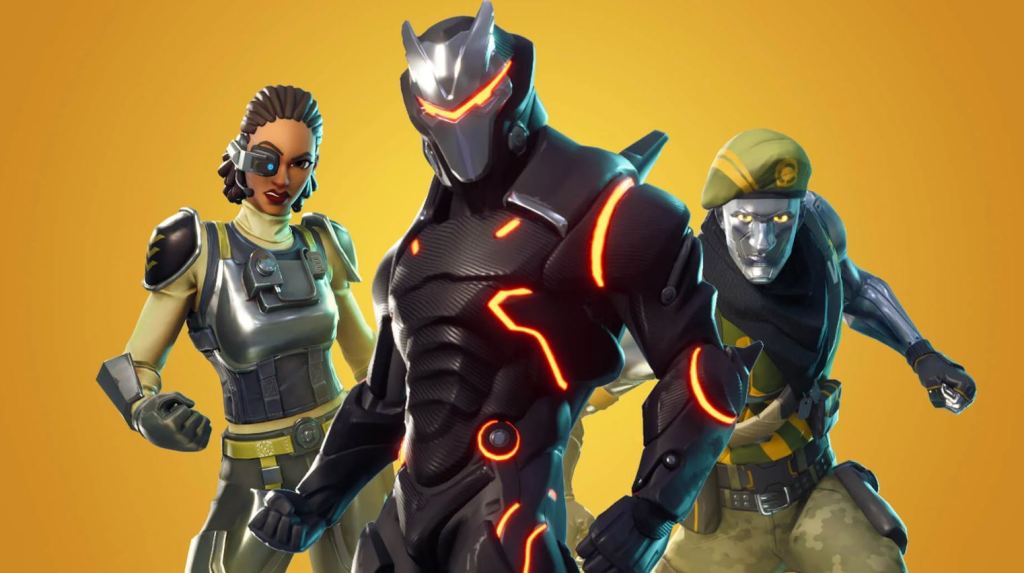
There are plenty of successful and popular live service games out there. Some of them include Rocket League, Apex Legends, Genshin Impact, Destiny 2, and Fall Guys: Ultimate Knockout. The Finals and Helldivers 2 are both live service games that were recently released with massive success. Then, of course, there is Fortnite, which has been dominating the world of video games for quite a while now.
It is worth looking at what makes a live service game successful rather than becoming another one that fails. The gameplay needs to be good enough that it keeps players’ interest itself; it can’t rely just on unlockables or temporary game modes. It needs to function as a great game even if the player doesn’t purchase any microtransactions. Obviously, the developer would need to make a profit off the game even if it’s free to play, so any cosmetics or other content hidden behind paywalls need to be worth the money. They need to be something players want, and they need to actually be something that’s affordable. There also needs to be a satisfying sense of progression even if a player chooses not to buy a battle pass. It’s a tricky combination of everything that needs to be approached perfectly right. It’s hard to pull off, which is why so many fail, but clearly there have been a fair share of games that have gotten it right.

Overall, it doesn’t seem like live service games are necessarily something terrible as long as they’re handled right. “Live service” certainly shouldn’t feel like a bad word within the gaming community considering there are so many great ones out there. Perhaps there are too many on the market and that competition causes some to fail, but that just means newly released live service games will need to step it up or find ways of standing out more. No more live service games shouldn’t be the solution despite so many of them missing the mark.
Read Next: Battle Royale Games: Overused Game Mode or Modern Genre?
 Nonstop Nerd